Most swimming pool owners in Melbourne keep in mind purchasing the pool. Few keep in mind the day they acquired lawful obligation for maintaining it safe. That component shows up later on, commonly when a neighbour's toddler starts toddling, or a home sale triggers an assessment. As a Melbourne Fence Company that works with numerous swimming pool obstacles annually, we see the same tale play out: clever, cautious proprietors who just really did not understand just how comprehensive Victoria's rules are till a land surveyor, insurance provider, or council police officer raises a flag.
This is a functional guide to pool fence policies in Victoria, translucented the lens of on-site realities. It covers what the regulation demands, where house owners slip up, and just how to form sturdy, appealing, and compliant obstacles that prevent mistakes and withstand Melbourne's climate. Whether you utilize a huge Fencing Company Melbourne home owners rely on or a small independent team, the basics do not alter. The requirement that governs safety barriers is Australian Basic AS 1926.1, and councils apply it with peaceful persistence.
What counts as a swimming pool and when the policies kick in
In Victoria, if your pool or medspa can hold greater than 300 millimetres of water, it sets off barrier requirements. That includes permanent pools, portable above-ground pools, and health clubs with tough covers. The water depth limit captures many seasonal configurations. If it can hold 30 centimetres, presume it needs a certified barrier.
From 1 December 2019, all Victorian property owners with a pool or medspa must register it with their local council. The enrollment demand is not a recommendation, and councils can provide penalties for late enrollment. After registering, you receive a due date for lodging a certificate of obstacle compliance. That certification needs to after that be renewed regularly, typically every four years, with the timetable connected to the construction date of your pool and the edition of the requirement that applies.
We usually meet owners who relocated into a home with an existing swimming pool. They assume the previous owner sorted whatever. Lawfully, it is now your responsibility. Councils do decline the "it was like this when we moved in" protection if the barrier fails.
The fundamentals of a compliant swimming pool barrier
A pool barrier is not just a fencing. It is a system. The fencing panels, entrances, latches, structures, adjoining wall surfaces, boundary fences, and even the surrounding landscaping comprise the barrier. A certified system has no spaces that a little one can creep under, through, or climb over.
Height and clearance develop the foundation. Many obstacles have to be at least 1200 millimetres high determined from finished ground degree outside. The measurement is not drawn from the coping or any type of greater internal surface area, because the common considers the side from which a child may come close to. If the ground outside the fence is sloped or elevated by garden beds, you determine from that side's highest point. This produces an usual failing: someone adds compost or a planter bed that piles up near the fence, efficiently lowering the elevation and developing footholds.
Gaps under the fencing have to be 100 millimetres or much less, and openings in between upright components need to not let a 100 millimetre round go through. This is why numerous Melbourne Fencing Company installers favor vertical pickets over horizontal rails. Horizontal participants can create climbable aspects. If horizontal rails are utilized, they have to be spaced to drop within the non-climbable zone regulations. Normally, you need 900 millimetres of clear non-climbable area on the outside of the barrier, determined in an arc. That zone should be without outcroppings or nearby objects like trees, trellis, bench seats, and ornamental screens that a kid can make use of to climb.
Gates must turn outward, far from the swimming pool. The joints should be set up so they do not create footholds, and eviction should be self-closing and self-latching from any placement. The latch requirements to be at least 1500 millimetres above finished ground or otherwise shielded so little hands can not run it. Good installers evaluate eviction from hardly open, from midway, and from fully open. If a wind or a swimming pool covering catches eviction and decreases closing momentum, a strong springtime and properly hung gateway makes the distinction between passing and failing a compliance check.
Doors opening straight right into a pool area are not permitted in many situations for pools constructed under the current criteria. Older swimming pools may have transitional allowances relying on the day of building, however relying on a door lock or alarm system is not acceptable under current Victorian needs for new or significantly altered pools. Inspect the relevant criterion based upon your pool's building date if your obstacle utilizes a building wall surface as component of the enclosure.
Boundary fences as part of the barrier
Many Melbourne yards make use of the border fencing as one side of the pool obstacle. This is permitted if the boundary fence fulfills the height and climbability policies on the swimming pool side. Usually it does not. Hardwood paling fencings with straight rails are easy ladders. If your backyard inclines to ensure that the neighbor's side is reduced, the effective height changes, and your border fencing may not reach the required 1800 millimetre elevation for some arrangements. Running a covering and batten system on the swimming pool side to remove footholds can bring an existing border fence into compliance. Some owners install a second inner fence to avoid arrangements with neighbours.
Retaining wall surfaces develop intricacy as well. A boundary fence on top of a keeping wall can look tall enough, yet a terraced garden within the 900 millimetre non-climbable zone transforms it right into a ladder. A Melbourne Fence Company with sound survey method will gauge from all pertinent factors and advise whether to modify the fencing, adjust landscaping, or include an inner obstacle line.
Materials that work, and the ones that cause headaches
Glass, aluminium, steel, and lumber all job, but they each bring compromises.
Frameless glass looks great and maintains view lines open. It likewise shows every calcium mark and needs routine cleansing. The trick is robust spigots set right into an appropriate footing. We choose core-drilled faucets in concrete over surface-mounted alternatives on older pavers. If the substrate bends, entrances drift out of alignment and begin stopping working to self-latch. Usage licensed strengthened shatterproof glass, normally 10 to 12 millimetres thick relying on the span and design. Pins, blocks, and soft gaskets have to be set up to supplier specs, or you run the risk of factor loading and possible panel failure.
Aluminium tubular fence is the quiet achiever. It is light, inexpensive, and easy to shape around contours and adjustments in level. The powerlessness is the gate because light structures twist if hinges are over-tensioned. Select high quality equipment and check that the latch is not blocked by the messages. Powder-coated surfaces succeed in Melbourne's climate if you maintain them, but salt-laden sea breezes in bayside suburbs punish cheaper layers. We see chalking and corrosion initially on welds and screw points.
Steel is strong and slim, optimal for longer periods. Galvanised and powder-coated steel needs straightforward maintenance. Scrapes need to be touched up quickly. Stainless options are extra durable in seaside areas, though cost rises substantially and lower qualities of stainless can tea-stain.
Timber is cozy and private, however it broadens, diminishes, and moves with seasons. Slats can open. Nails can stand out. If you want lumber, usage secure hardwood or quality treated pine, repair with appropriate screws, and plan for regular checks. Prevent horizontal slats inside the climbable zone unless you use evaluating made to meet non-climbable requirements.
Whichever material you choose, the Melbourne Fencing Company you work with need to specify certified equipment and repairings. Fasteners are not trivial. We have seen beautiful glass fencings stop working because a person utilized non-compliant locks or steel screws that corroded and took the hinges.
Gates, latches, and the little parts that make or damage compliance
A pool obstacle is judged harshly on relocating parts, and rightly so. A gateway that worked in summer can stop working in winter when wood swells or a spring loses stress. When we service installments, we always do 3 things: oil with an item that does not deteriorate plastics, tighten joint screws gradually to balance close speed and bang pressure, and examine the lock from every opening position while eviction lugs its very own weight without one touching it.
Magnetic latches have actually come to be the default on glass and aluminium systems because they are trustworthy and shieldable. They should be set up at the appropriate elevation, with the launch button secured from outdoors reach. On frameless glass, the fence company will typically utilize committed latch panels to achieve the ideal geometry. Gates should not drag out paving. If your lawn heaves in clay dirts throughout damp periods, established eviction footing deep enough to stay clear of seasonal movement.
If your gateway shuts as well slowly, a gusty day may hold it open. If it shuts also powerfully, the effect can bounce the lock off the demonstrator. There is a sweet area that an excellent installer finds by step-by-step change. We advise owners to inspect gate self-closing on a monthly basis, and after events or landscaping work.
Landscaping and the non-climbable zone
Most non-compliance notices we see are not about the fence itself. They are about the yard around it. The non-climbable zone outside needs to be maintained clear within 900 millimetres of the obstacle. That implies no pot plants, no bench seats, no wood sleepers stacked as décor, and no latticework displays with toe holds. Thick hedges can be an issue if branches stiffen into all-natural ladders. A toddler does not need textbook footings, simply something to wedge a shoe on.
Ground degrees matter. Including brand-new compost can elevate the completed ground level by 100 to 150 millimetres, which could decrease effective fencing elevation listed below 1200 millimetres or boost the void under the lower rail. You can fix it with a mow strip or by trimming the bottom of the fencing, but inspect that any kind of alteration keeps the opening below 100 millimetres. When we plan an obstacle, we attempt to produce a resilient base: concrete haunches under aluminium panels, constant pavers under glass faucets, and compressed gravel where turf meets fence.
Trees growing near limits introduce threat over time. A seedling that was safe at installment can end up being an action ladder in 2 years. If a limit fence belongs to your barrier, manage tree development within that non-climbable zone proactively.
Pools constructed prior to, during, and after law changes
Victoria's swimming pool safety and security regime evolved. https://canvas.instructure.com/eportfolios/3506899/andersonvxcm203/why-a-regional-fencing-company-is-your-best-option-for-quality-setup Depending upon when your swimming pool or day spa was mounted, a various edition of AS 1926.1 may use. Broadly, older swimming pools receive giving ins that more recent swimming pools do not, particularly around border fences, home windows, and doors. Nevertheless, substantial alterations can trigger an upgrade to current criteria. Replacing an area of fence like-for-like normally does not, but reconfiguring the obstacle design might.
This is where informed advice matters. A Melbourne Fence Company with experience can aid you interpret which standard applies. When purchasers ask us for a pre-purchase point of view, we flag prospective upgrade dangers: a limit fencing only 1200 millimetres high, a sliding door that available to the swimming pool location, windows that can open up more than 100 millimetres within the obstacle line, or climbable functions also close to the fence. Each of these may be acceptable under an older regime yet prove tough under a sale or improvement scenario.
The examination and certification process
Registration with your council causes a compliance certification due date. A registered structure property surveyor or building inspector evaluates your obstacle. If it passes, they lodge the certification. If it stops working, you get a notice to remedy with a time frame to fix issues. Expansions can be approved, but do not rely on council leniency if there is no visible progress.
On site, inspectors action elevations, check void dimensions, examination entrance operation, and evaluate the non-climbable area. They commonly carry a 100 millimetre round scale to check openings. For glass, they check that panels are not cracked at sides which spigots are safe and secure. For aluminium, they check that panels are not bent or loosened. They will additionally consider door and window gain access to. Home window openings right into a swimming pool location usually need to be limited to 100 millimetres or secured by compliant screens. Latches, keys, and mechanical quits that can be eliminated without a tool are not acceptable as long-term controls.
Owners in some cases ask if a pool cover counts as a barrier. In Victoria, it does not replace a barrier requirement, including for health facilities with lockable hard covers. The barrier regulations still apply.
Common failings we take care of weekly
We keep a listing in the ute. It checks out like a best hits album of avoidable problems.
Gate latches established too reduced. Latches must be 1500 millimetres high or protected. We see beautiful glass installations with locks at 1350 millimetres that stop working immediately.
Gaps under fences going beyond 100 millimetres after new landscape design. Mulch heaps and increased grass are repeat offenders.
Climbable items in the 900 millimetre zone. Bench seats, planter boxes, bbq carts, and even curled swimming pool hoses up versus the fence.
Horizontal rails on border fencings producing footholds. Upgrades usually need a flush batten or palisade solution on the swimming pool side.
Poorly anchored spigots on pavers. If the sub-base flexes, glass gates droop, and self-closing fails.
Windows opening up into the swimming pool location without restrictors. An inexpensive restrictor that restricts opening to 100 millimetres resolves this if set up properly with tamper-resistant fixings.
Door accessibility into pool locations on newer builds. Reconfiguration is usually needed, typically including a return fencing to isolate the pool from the dwelling.
If you are choosing a Fence Company Melbourne house owners suggest, inquire which of these they see usually and how they make around them. You want specifics, not obscure assurances.
Cost varieties and where to invest
Prices vary throughout Melbourne, but estimate help planning. Aluminium tubular fencing normally varies from the low hundreds to the mid hundreds per linear metre, depending on elevation, terrain, and powder-coat finish. Frameless glass generally sits greater per linear metre, with extra prices for entrances, costs equipment, and architectural footings. Semi-frameless glass lowers cost however still needs high quality articles and grounds. Wood can show up more affordable, yet long-lasting upkeep narrows the gap, especially if you need to repaint or stain routinely and change distorted slats.
Hardware is not the location to save. A $40 saving on a latch and joints can cost you a failed assessment, a reinspection charge, and an additional call-out. In coastal suburbs, spend for corrosion resistance. On sloped sites, budget for stepped panels or raked custom panels rather than forcing common areas to fit.
The less noticeable price is ground preparation. We hang around on sub-bases so the obstacle remains stable. It is difficult to offer that job to a customer who intends to see where their cash went, however it pays returns in reliability.
A brief checklist prior to you call the surveyor
- Measure obstacle elevation from the outside ground level, and validate a minimum of 1200 millimetres all around. Test eviction: it has to self-close and self-latch from any type of open position without support, and open outward. Walk the 900 millimetre non-climbable area outside the fencing and remove anything a youngster might make use of to climb. Check all voids: under the fence and between aspects, nothing over 100 millimetres. Verify windows and any type of openings right into the pool area are limited to 100 millimetres or otherwise made compliant.
We keep this listing short because lengthy lists obtain overlooked. If these 5 pass, the remainder is usually great or easily adjusted.
Weather, wear, and maintenance culture
Melbourne's climate tests barriers. Warm summers broaden materials, cool winters contract them, and bayside salt increases corrosion. Wood swells after rain, after that shrinks and opens up gaps in warm. Latches can go out of positioning by a couple of millimetres, which is all it requires to miss out on a catch.
The repair is an upkeep culture. Once a month, offer the gate 5 test swings. Twice a year, check fixings, clean and lube relocating parts, and pipe down salt residues if you are near the bay. For glass, squeegee frequently and avoid rough cleansers. For aluminium and steel, repair chips early. Document what you do. If you ever need to show an examiner that you take obstacle safety seriously, a straightforward maintenance log talks loudly.
Working with a Melbourne Fence Company that comprehends the rules
There are several drivers who can develop a straight fence. Far fewer can navigate edge situations, strangely designed backyards, old boundary traits, and the overlay of Victorian regulations. When you veterinarian a Melbourne Fencing Company, listen for fluency in the standard, not just a promise to "make it pass." Ask exactly how they handle sloping websites, what hardware they suggest and why, and just how they establish gate tolerances. Ask for recommendations from customers that passed first inspection.
The better firms collaborate with building surveyors when required. They will certainly sketch a design that prepares for the non-climbable area. They will certainly decrease a layout that looks wonderful yet establishes you as much as fail. And they will certainly intend foundations based on dirt type, not guesswork.
An expert Fence Company Melbourne property owners can trust will also suggest when it is less expensive to build an inner fencing that is fully compliant than to try to customize a boundary fencing shown a neighbour. The appropriate call below conserves both time and friction.
Design that looks excellent and remains compliant
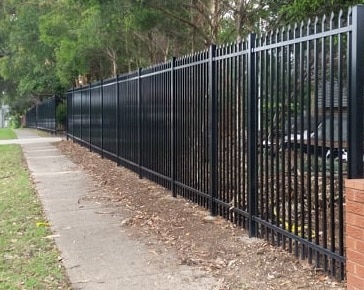
Safety and visual appeals can live together. If you have a little backyard, glass maintains the area open and allows clear view lines from the cooking area or alfresco area. Repaint or powder-coat colours that match window frames make aluminium obstacles recede visually. Plant soft ground covers outside the non-climbable area to dissuade youngsters from lingering at the fence line without creating grips. Illumination helps too. During the night, a lit pool location makes it simpler to see if a gate was left ajar.
We have a customer in Balwyn with a terraced garden who desired a frameless look without transforming the area into a mirror. We made use of slim stainless spigots on a constant concrete light beam established below a sedimentary rock cap, stepping panels with the surface, and put low hedges outside the non-climbable area. Eviction opens up in the direction of the yard, not towards the swimming pool, and self-closing checked real at every angle. It passed on the initial inspection, and 5 years later on, it still does.
When to entail experts early
If you are planning a restoration or landscaping project near your swimming pool, entail your fence specialist before you pour concrete or develop decks. Deck height changes change efficient fence height and gateway geometry. We usually get called after a deck has actually been built too expensive, leaving only 950 millimetres of fence over it. That usually suggests remodeling the deck or adding a second return fence, neither of which is cheap.
Similarly, if you are changing a limit fencing, inform your fencing contractor you need it to function as a pool barrier. A Melbourne Fence Company that takes care of pool conformity will certainly change rail positions, include topping, or recommend an internal obstacle if the border service will not make the grade.
The bottom line for owners
Pool barriers are not set-and-forget. They become part of a safety and security system that requires interest. The lawful structure in Victoria is clear, and councils implement it. Many concerns are simple to avoid with early preparation, straightforward products, and periodic checks.
A qualified Fencing Company Melbourne homeowners select for swimming pool job will bring 3 things: expertise of AS 1926.1 and regional council interpretations, craft in setup so gates and panels stay true with time, and a functional way of thinking regarding landscaping and living with the barrier day to day. If you have those, compliance often tends to follow, assessments go efficiently, and your swimming pool looks the way you want it to look.
If you are uncertain where your barrier stands today, start with the brief list, clear the non-climbable zone, and examine eviction. Then ask a Melbourne Fence Company with swimming pool competence to walk the site with you. 10 mins of sincere diagnostics can prevent months of aggravation, and, a lot more importantly, keep the youngest people in your world risk-free around water.